

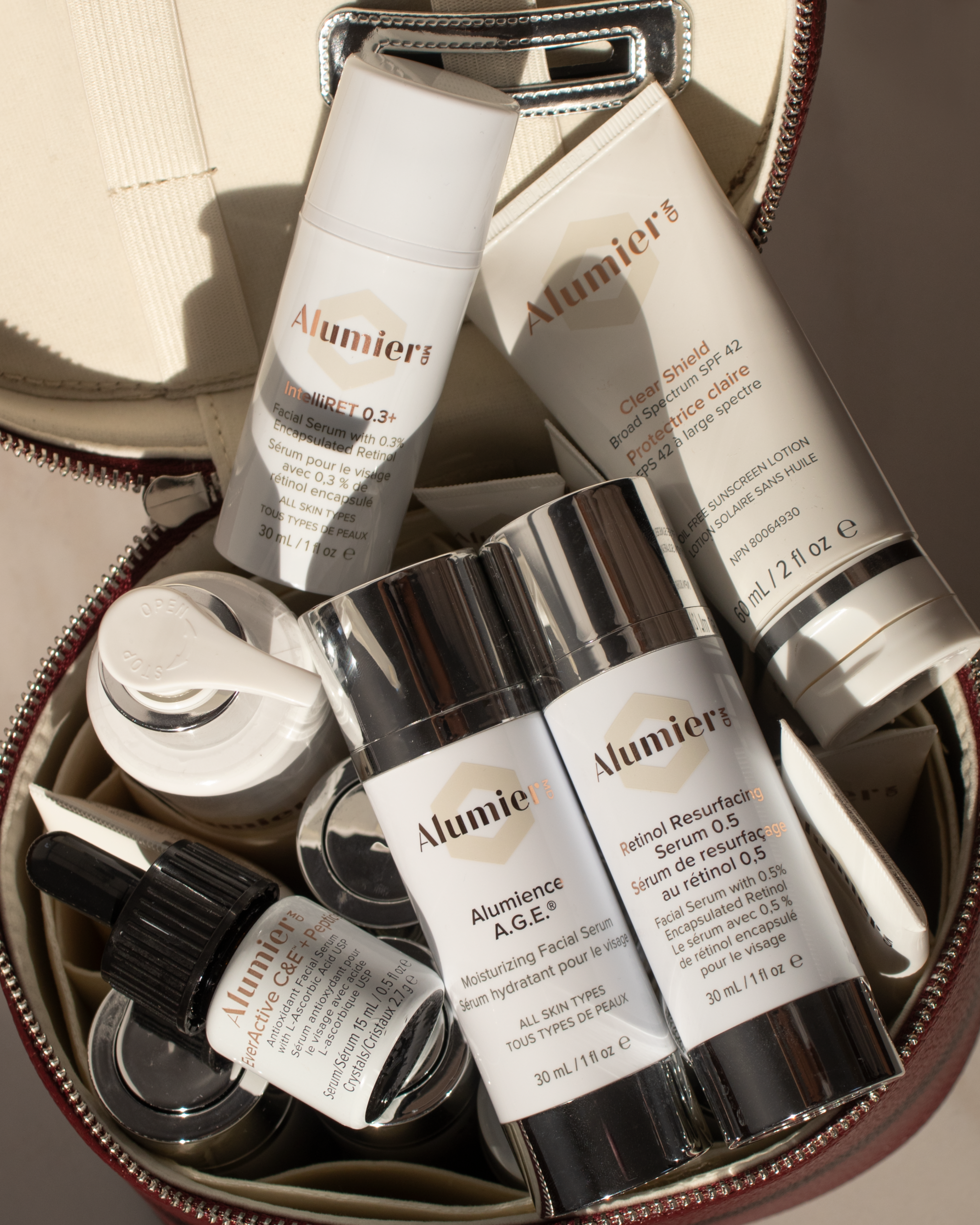
Peptides are one of the most talked-about ingredients in skincare right now. If you spend any time on Instagram or TikTok, you will see them described as the secret to firmer skin, fewer wrinkles and long-term skin longevity. Beauty editors are calling them the future of anti-ageing, influencers are layering multiple peptide serums, and brands are racing to include them in new launches.
However, while peptides may feel like a new trend, they are not new to dermatology, medical-grade skincare or Face Oxford. They have been used for years in clinically formulated products designed to support collagen production and skin repair. The difference now is visibility. Social media has amplified the conversation, but the science has been around for decades.
The key question is not whether peptides work. It is whether they are being used correctly.
What Are Peptides in Skincare?
Peptides are short chains of amino acids, which are the building blocks of proteins. In the skin, proteins such as collagen and elastin are responsible for structure, strength and elasticity. As we age, collagen production naturally declines, elastin fibres fragment and skin becomes thinner and less resilient.
Peptides act as signalling molecules. When applied topically in a well-formulated product, they send messages to skin cells encouraging them to perform specific functions. In simple terms, they tell the skin to behave in a more youthful, repair-focused way.
What Do Peptides Do for Your Skin?
Different peptides have different actions, but the main benefits include supporting collagen, improving firmness and strengthening the skin barrier.
They can help stimulate collagen synthesis, which softens fine lines and improves skin density over time. Some peptides inhibit enzymes that break down collagen, helping preserve existing structure. Others support wound repair and reduce inflammation, making them useful for stressed or post-procedure skin. Certain peptides also improve hydration by reinforcing the skin barrier and reducing transepidermal water loss.
In practical terms, this can translate to skin that feels firmer, looks smoother and appears healthier. What peptides will not do is replace structural treatments or reverse significant laxity overnight. They are supportive ingredients that work best as part of a considered, long-term skin plan.
Why Peptides Are Trending Now
The renewed interest in peptides reflects a wider shift towards preventative ageing and skin longevity. Patients increasingly want to maintain collagen rather than wait until deeper lines develop. Peptides fit well within this approach because they support the skin’s own repair mechanisms rather than aggressively resurfacing it.
That said, layering multiple peptide products without guidance is unlikely to produce better results. Skin that is inflamed, barrier-impaired or overloaded with actives will not respond optimally to collagen signalling. Before introducing peptides, the skin must be stable and well supported.
At Face Oxford, we prioritise barrier repair, inflammation control and daily SPF before introducing advanced actives such as peptides or retinoids.
The Best Peptide Skincare Products We Recommend
When it comes to peptide skincare in the UK, formulation quality is critical. Not all peptide serums are created equal. Concentration, stability and delivery systems determine whether peptides can reach their intended targets effectively.
At Face Oxford we recommend clinically developed brands such as AlumierMD, where research and ingredient synergy are central to formulation.
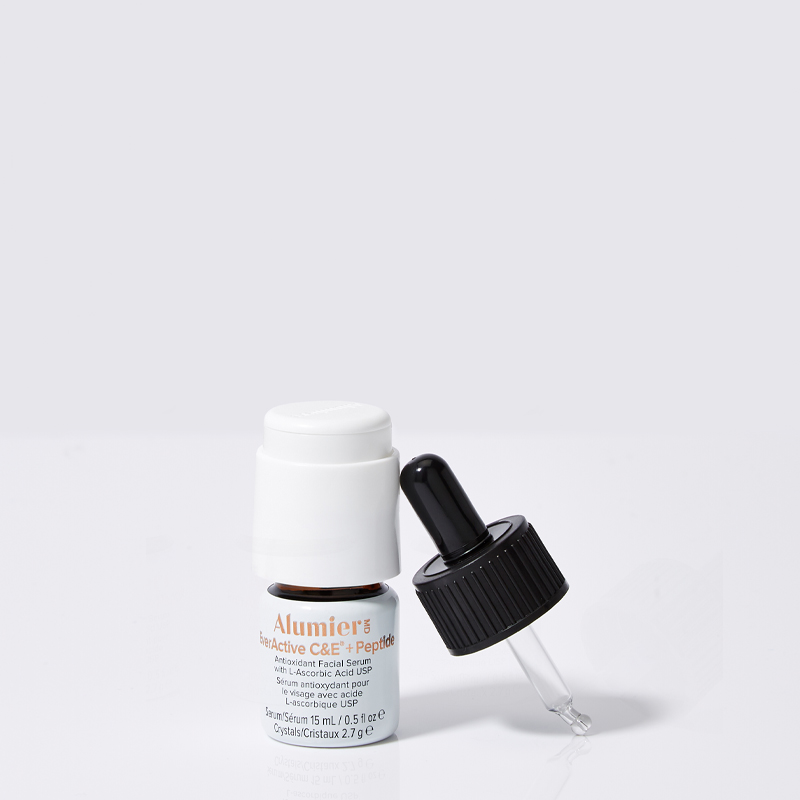
AlumierMD EverActive C + Peptide – A stabilised vitamin C serum combined with collagen-supporting peptides to brighten, protect and improve skin firmness.
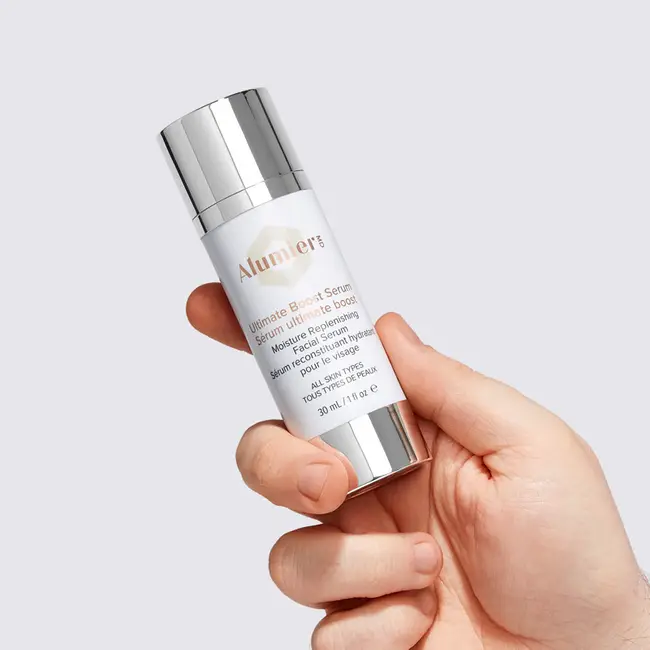
AlumierMD Ultimate Boost Serum – A hydrating peptide-rich serum that supports skin resilience, elasticity and barrier function.
AlumierMD Recovery Balm – A restorative moisturiser containing copper peptide to calm, strengthen and support post-procedure repair.
AlumierMD HydraCalm – A soothing moisturiser with copper peptide and barrier-supporting ingredients designed for sensitive or reactive skin.
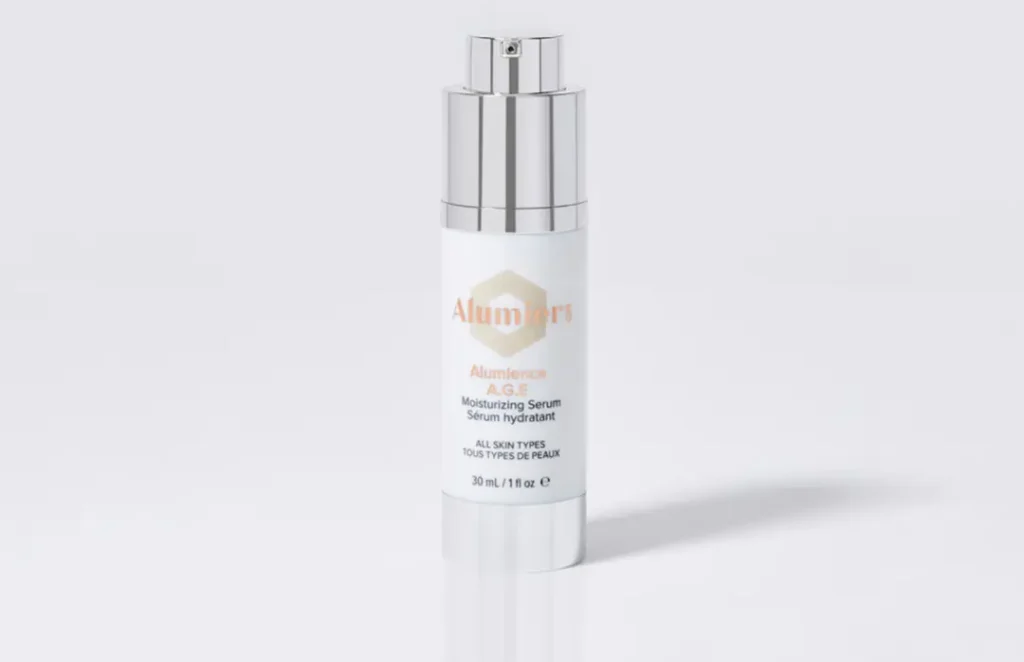
Alumience A.G.E. – A peptide-rich, antioxidant moisturiser designed to support collagen, improve firmness and defend against environmental skin ageing.
Peptides vs Retinol: Which Is Better?
Peptides and retinol serve different functions. Retinoids increase cell turnover and stimulate collagen through receptor signalling, often producing visible changes more quickly but with a higher risk of irritation. Peptides act more as messengers, encouraging repair and synthesis without significantly increasing exfoliation.
In many cases, they work well together. Retinoids stimulate renewal, while peptides support rebuilding. The key is introducing them appropriately based on skin type and tolerance.
Face Oxford Treatments That Complement Peptide Skincare
Topical peptides support collagen pathways, but in-clinic treatments create a more significant biological stimulus.
At Face Oxford, treatments that pair well with peptide skincare include:
SkinPen microneedling, which triggers collagen production through controlled micro-injury. Peptide-rich serums can support the regenerative environment following treatment.
Polynucleotide treatments, which support fibroblast activity and improve tissue quality.
Jalupro, providing amino acid building blocks required for collagen synthesis.
BYONIK, designed to reduce inflammation and support cellular regeneration, creating optimal conditions for structural improvement.
Medical-grade chemical peels can also improve product penetration and stimulate dermal remodelling, enhancing the effects of a peptide-based routine.
Are Peptides Worth It?
Peptides in skincare are not hype, but they are not magic either. They are biologically active ingredients that support collagen and barrier health when used correctly.
They are particularly beneficial for patients in their thirties and forties who want to maintain firmness, those noticing early signs of laxity, or individuals wanting to support skin recovery after procedures. They are less transformative in advanced ageing without adjunctive treatments.
The most important factor is not whether a product contains peptides, but whether it forms part of a coherent, evidence-based skin strategy.