

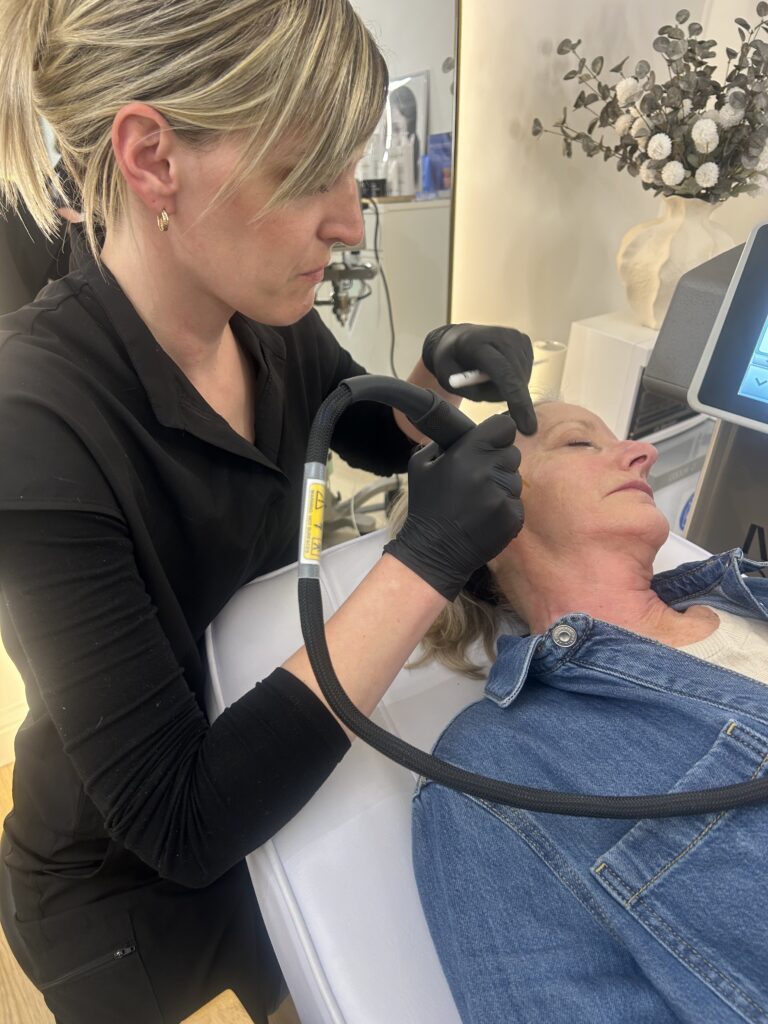
There are certain treatments in aesthetics that arrive with a great deal of marketing noise, and then there are treatments that begin generating interest quietly amongst clinicians long before patients know their name.
NeoGen Plasma falls firmly into the second category.
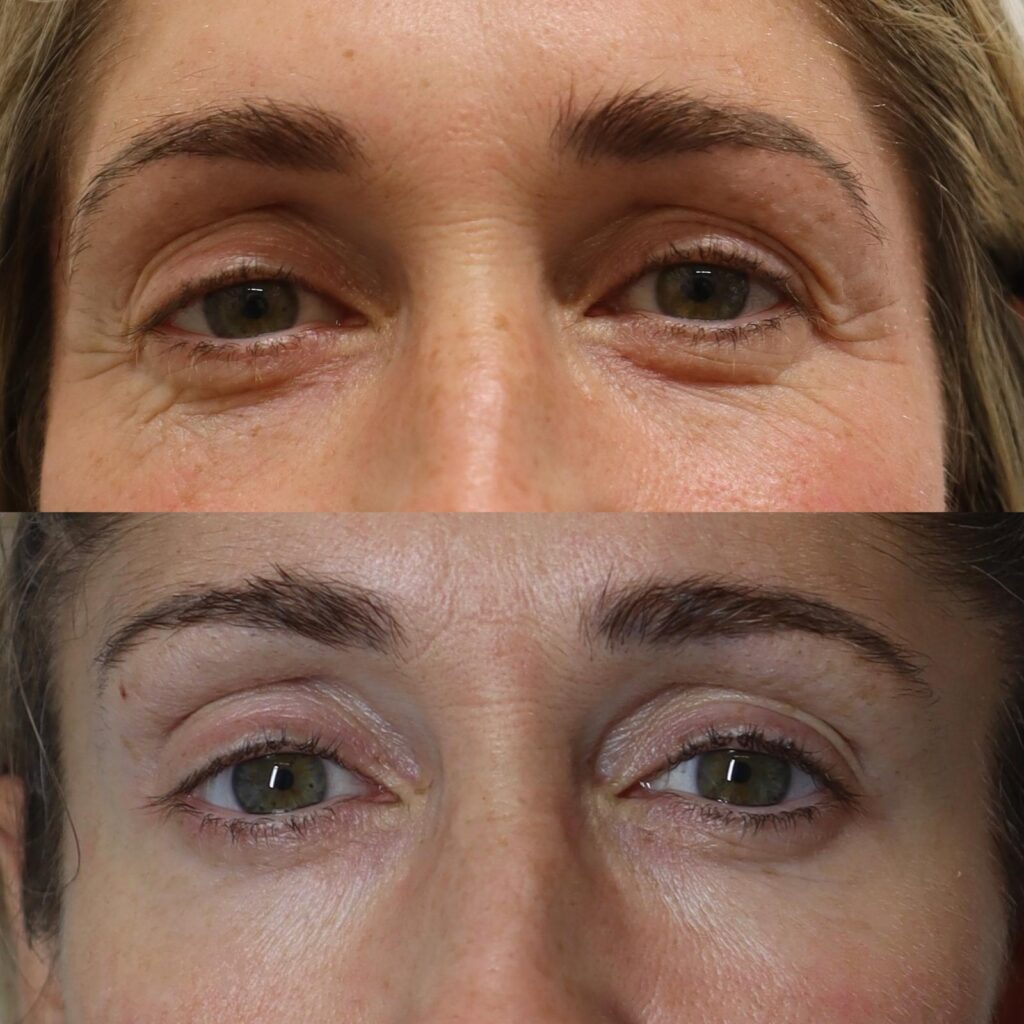
Over the past year, the treatment has been gaining increasing attention within aesthetic medicine, particularly amongst practitioners interested in regenerative skin treatments, skin tightening and advanced rejuvenation. Discussions around NeoGen have centred around improvements in skin texture, hooded eyelids, crepey skin and overall skin quality — all without traditional surgery.
But what exactly is NeoGen Plasma, and why is it creating so much interest within the industry?
Understanding NeoGen Plasma
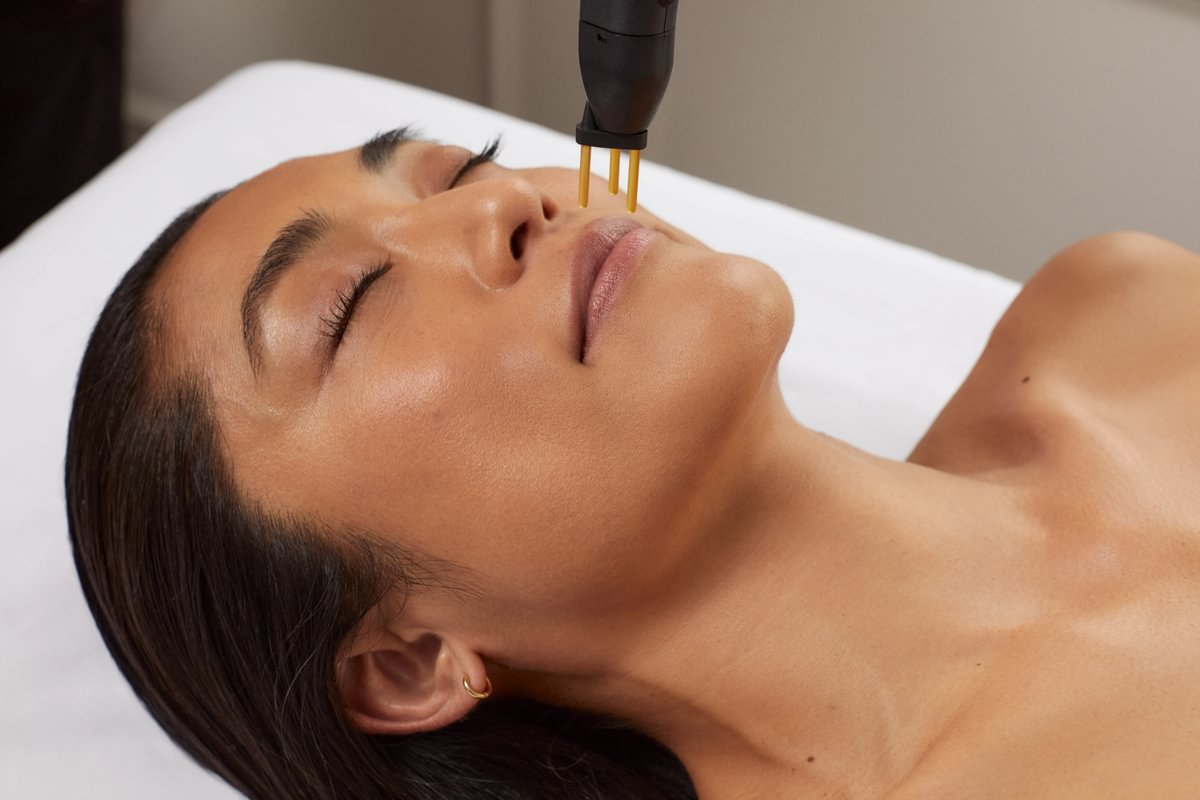
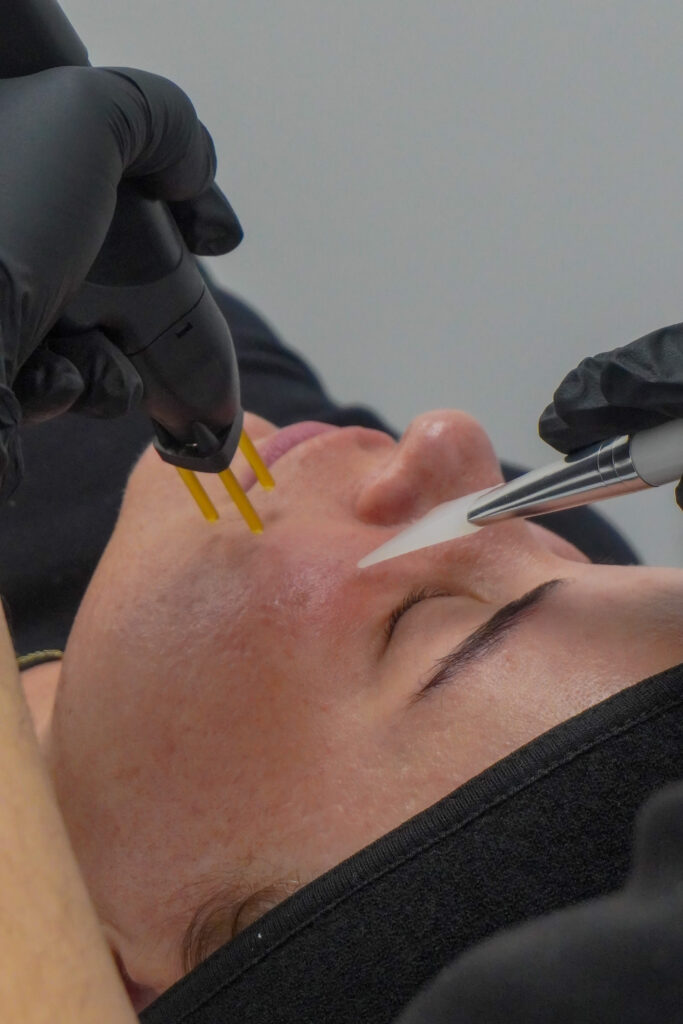
NeoGen Plasma is an advanced skin rejuvenation treatment that uses nitrogen plasma technology to deliver controlled thermal energy into the skin.
Unlike traditional resurfacing lasers, NeoGen does not rely on light energy targeting pigment or water within the skin. Instead, nitrogen gas is energised into plasma — often referred to as the “fourth state of matter” — before this energy is delivered into the skin in a highly controlled way.
The thermal stimulation created within the skin encourages collagen remodelling, skin renewal and tissue regeneration.
Whilst this may sound highly technical, the practical outcome is relatively simple: the treatment aims to improve the quality and behaviour of ageing skin itself.
This is one of the reasons NeoGen Plasma has become particularly interesting within modern aesthetics. Increasingly, patients are moving away from wanting dramatic cosmetic change and are instead looking for treatments that help skin appear healthier, firmer, fresher and more rejuvenated in a natural-looking way.
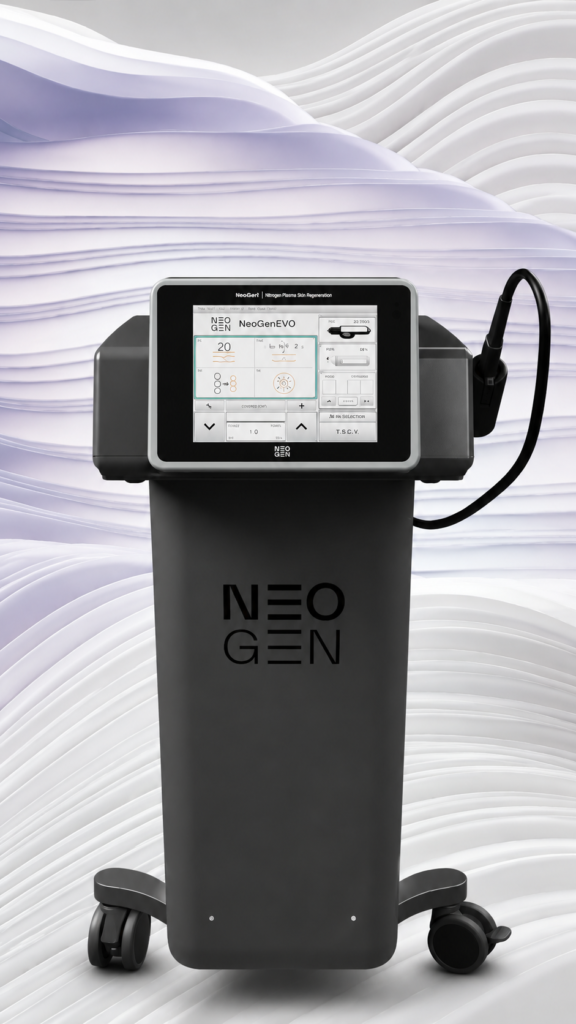
Why NeoGen Plasma Is Different From Traditional Laser Treatments
NeoGen Plasma is often difficult to categorise because it sits slightly outside the treatments most patients are already familiar with.
It is not RF microneedling.
It is not a plasma pen.
And it is not traditional laser resurfacing.
Traditional lasers use focused light energy targeting specific structures within the skin. NeoGen instead creates a controlled plasma-based thermal effect across the skin surface and deeper tissues.
This distinction is important because many clinicians believe it contributes to the unique rejuvenation effects being reported with the technology.
Particular interest has surrounded its use for concerns such as:
- hooded upper eyelids
- crepey peri-orbital skin
- fine lines and wrinkles
- acne scarring
- uneven texture
- skin laxity
- overall skin rejuvenation
The eye area, in particular, has become one of the most talked-about applications of NeoGen Plasma internationally.
Why Is NeoGen Plasma Being Called a “Non-Surgical Face Lift”?
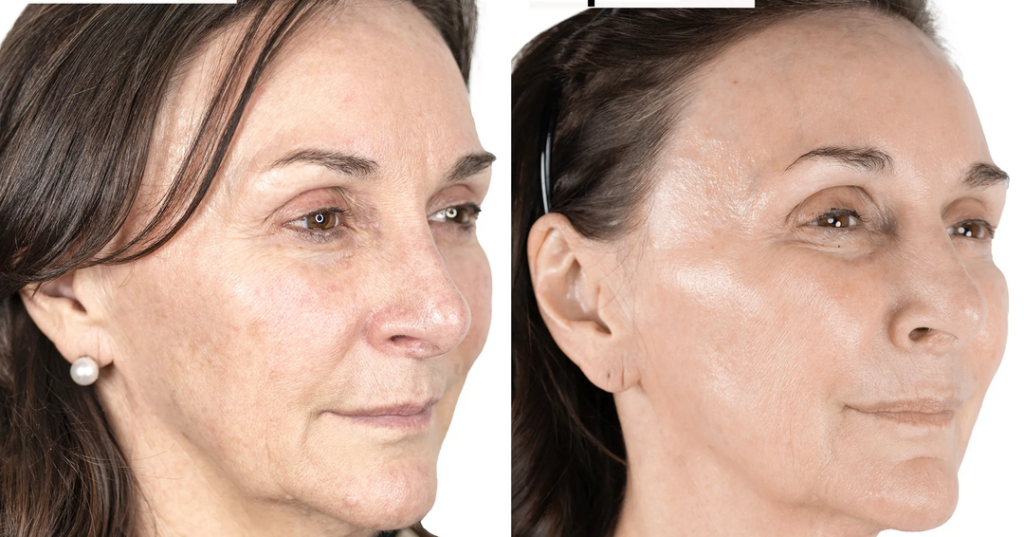
The phrase “non-surgical face lift” is increasingly associated with NeoGen Plasma because of the tightening and rejuvenation effects seen in some patients.
Importantly, NeoGen is not replacing surgery in patients with significant excess skin or advanced facial ageing. However, it may provide meaningful improvements in skin firmness and skin quality without surgery or injectables for suitable patients.
What makes the results feel particularly modern is that patients generally still look like themselves afterwards.
The goal is not to create an artificially tight or overfilled appearance. Instead, skin often appears fresher, smoother and healthier, whilst facial movement and natural expression remain intact.
This reflects a wider shift currently taking place within aesthetic medicine. Increasingly, the conversation is moving towards regenerative aesthetics — treatments that support skin function, collagen stimulation and long-term skin health rather than simply masking ageing changes.
What Is NeoGen Plasma Treatment Like?
NeoGen Plasma treatments can be tailored depending on the level of rejuvenation desired and the amount of downtime a patient is comfortable with.
Before treatment, topical numbing cream is applied to improve comfort. The plasma energy is then delivered across the skin in carefully controlled passes.
Treatment intensity varies significantly depending on the clinical approach being taken. Some patients may choose lighter rejuvenation treatments with relatively mild downtime, whilst others opt for stronger resurfacing-style procedures for more dramatic skin tightening and rejuvenation.
Following treatment, the skin usually appears red and warm, similar to a significant sunburn. Swelling, bronzing and peeling can develop over the following days as the skin begins its regeneration process.
Recovery time varies depending on treatment intensity. Lighter treatments may involve several days of redness and dryness, whereas stronger rejuvenation procedures can involve around a week of visible healing.
This is not necessarily a “lunchtime facial”, and that is part of what makes the treatment clinically interesting. NeoGen sits within a category of treatments capable of producing meaningful skin change, and with that often comes a degree of downtime.
NeoGen Plasma at Face Oxford
At Face Oxford, NeoGen Plasma was introduced following extensive research, training and in-clinic trialling.
As with all technologies brought into clinic, the focus remains on evidence-based treatment selection, honest consultations and natural-looking results.
NeoGen Plasma will not be suitable for everybody, and consultations are important to assess suitability, expected downtime and treatment goals carefully.
However, early clinical experience with the treatment has been extremely promising, particularly for patients concerned about skin texture, peri-orbital ageing, crepiness and overall skin quality.
As regenerative aesthetics continues to evolve, NeoGen Plasma is already emerging as one of the most talked-about new technologies within advanced skin rejuvenation.
To learn more about NeoGen Plasma or to book a consultation, please contact Face Oxford.