


Lots of people have brown patches or marks on their skin that are darker than other areas. For many people, they can be a real pain. This post is actually a personal one, as this is something that I am always trying to treat for myself.
The medical term for this is hyperpigmentation and there are a few different reasons for it to occur and ways it can show up on the face, including age spots, melasma and post-inflammatory hyperpigmentation. I am going to briefly talk about each of these, a little bit about why they happen and then some treatments that can be used to help with getting rid of them.
Believe me, this is not something that happens overnight, so -disclaimer-if you are interested in working on this for your own skin, you need to understand that it will take time, patience and some investment. And also, you need to keep it up! However, unlocking truly beautiful, radiant and skin is definitely worth it in my book.
So, what is it?
Hyperpigmentation is a skin condition that happens when melanocytes (the skin cells that make melanin) become damaged or unhealthy and then produce extra pigment during the healing process. This can happen to men and women at any stage of their lives, but women are more prone to it.
Age spots (also known as liver spots) occur due to sun damage and are more formally known as solar lentigines These small, darkened patches are usually found on the hands and face or other areas frequently exposed to the sun.
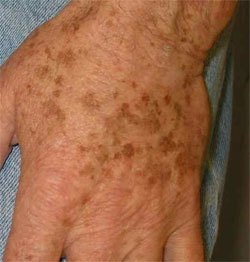
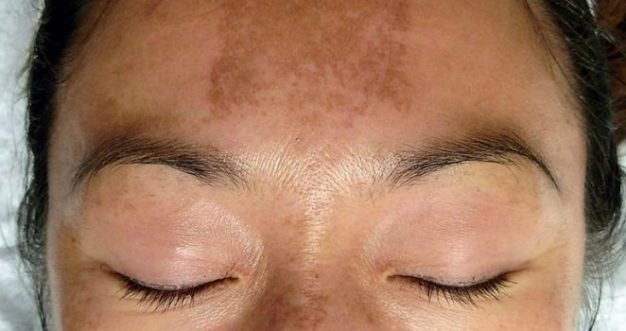
Melasma (or chloasma) spots are similar in appearance to age spots but are larger areas of darkened skin that appear most often as a result of hormonal changes. Pregnancy, for example, can trigger overproduction of melanin that causes the “mask of pregnancy” on the face and darkened skin on the abdomen and other areas.
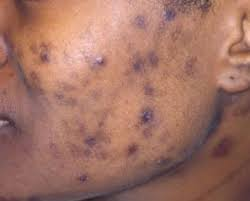
Finally onto post-inflammatory hyperpigmentation. This is where areas of skin can become damaged after inflammation, due to things like acne, eczema or after injuries to the skin. The inflammation also causes melanin to be produced, leading to these areas becoming darker. People with darker skin are more likely to develop post-inflammatory hyperpigmentation.
So, now we know a bit about this condition, how do we treat it?
There are a few options, for example, home care products that can help to reduce the production of melanin and to clear up the dark and discoloured areas. My favourite at the moment is a product from Skin Better Science, called Eventone. Did you see my video on social media of how it works? It’s a bit pricey but it lasts 6 months, so it’s a good option.
One of the most important things to do-you guessed it- is to wear your SPF every day. This is how we prevent it occurring or reoccuring once we have treated it. We can also use
We can also use retinol to help speed up cellular turnover and shed the pigmented skin cells and gentle acids, such as lactic to help mop up the stuff on the surface. Clever, hey? Vitamin C also brightens the skin and helps the SPF to prevent free radical damage from UV rays too. If this makes the mind boggle, please don’t worry, I’m here to help and advise on all of this, including how to start, use and get the best from all your ingredients.
We can also use professional treatments such as chemical peels, to help exfoliate the skin and increase skin cell turnover. Another option is to also use micro-needling, which helps break down existing pigmentation and also resets skin cell function. Please have a look at my website for more information on each of these. All of these treatments have clinical evidence to support their use and the best thing is that they all have little or no side effects! Why not have a look at these sheets for a bit more information and further reading, if you would like to:
https://drive.google.com/file/d/1mQYv1Y9PdHHB4571az8K-MplnhEyxQ7d/view?usp=sharing
https://static.wixstatic.com/ugd/4986b1_1eb47ad8981f4f76877e30560dcad3ec.pdf
And if you prefer to meet up for a consultation to discuss in person, please don’t forget to book in online.
I’ll keep you updated with my results in kicking pigmentation to the curb and I hope to be able to help you to do the same!